

FOPE & PharmaState Academy’s PULSE Program advances excellence in self-inspection & quality audits under Revised Schedule M guidelines
Industry experts highlight how robust self-inspections and quality audits under Revised Schedule M can strengthen GMP compliance and elevate India’s pharma standards

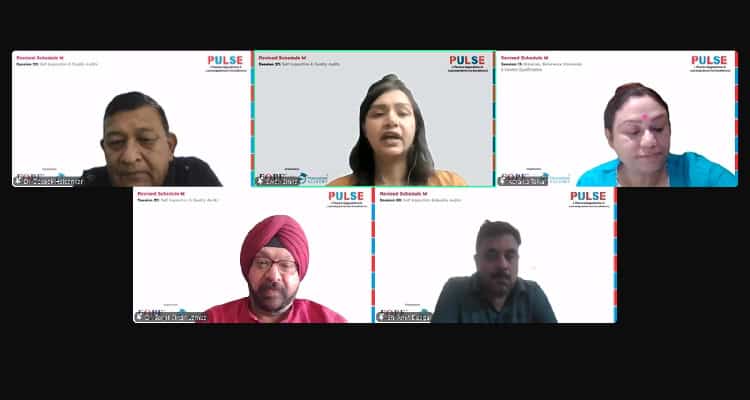

On April 27, 2025, the Federation of Pharma Entrepreneurs (FOPE) and PharmaState Academy hosted Session 20 of the PULSE (Pharma Upgradation & Learning Series for Excellence) initiative, focusing on Self Inspection & Quality Audits.
The event began with a keynote address by Kamal Chawla, Head of the Office, Controlling Authority/Deputy drugs controller at Drugs Control Department, GNCT Delhi. Dr Chawla, with over three decades of experience in regulatory enforcement and compliance, delivered an insightful keynote that emphasised the critical role of self-inspections and quality audits in maintaining GMP compliance as per Revised Schedule M implementation. He highlighted the purpose, planning, and execution of self-inspections and emphasised on formation of qualified internal teams and objective evaluation methods. He stressed that GMP compliance is not just a checklist, but a mindset and strategy, where quality is built into the product from the beginning. His clarity on the practical application of the guidelines, along with tips for effective gap analysis and audit planning, provided immense value to the attendees.
The technical session was led was led by Dr Deepak Haldankar, Pharma manufacturing expert with 40+ years of success in managing quality for formulations and APIs, COO at H&H Healthcare and Cosmetics. He highlighted that equipment and documentation form the backbone of traceability, essential during recalls, complaints, or regulatory scrutiny. He covered all 16 inspection focus areas, including production controls, sanitation, storage, labeling, recall procedure, calibration, and stability studies. He stressed that self-inspections must go beyond checklists and be evidence-based evaluations involving SMEs and QA teams. Various types of audits were discussed, from routine and unannounced to supplier and pre-licensing audits, with a structured approach that includes opening meetings, site tours, documentation review, and closing meetings. He reinforced the use of the PDCA (Plan–Do–Check–Act) model to foster continuous quality improvement.
Ethical auditing principles like independence, confidentiality, diligence, and objectivity were deeply emphasised, as was the need for clear CAPAs, audit timelines, and top management engagement. He concluded by stating that internal teams know their systems best, and self-inspections should be treated as opportunities—not formalities, to raise the bar of compliance and global GMP alignment.
A panel discussion followed, moderated by Aprajita Takiar, Senior Vice President, FOPE, featured the following industry experts:
- Dr Deepak Haldankar, Pharma manufacturing expert with 40+ years of success in managing quality for formulations and APIs, COO at H&H Healthcare and Cosmetics Pvt. Ltd.
- Dr Sanjit Singh Lamba, Managing Partner at Trillyum Consulting and a pharmaceutical veteran with over 35 years of experience
- Amit Duggal, Assistant Commissioner of Food & Drugs Administration, Punjab
The panel emphasised that physical audits are irreplaceable, especially when qualifying new vendors or dealing with critical materials. While self-inspections can include external experts for areas lacking internal expertise, creating internal audit capability through “train the trainer” models is essential for long-term compliance. External audits, even if frequent, cannot substitute internal self-inspections, which are mandatory for maintaining GMP health. Accountability gaps were a key concern, though Schedule M expects management responsibility; often, middle-level heads like QA/QC leaders escape accountability. Panelists stressed the importance of documenting delegation of authority and clearly defined roles to avoid shifting blame to top management. Instances of poor shop floor discipline, data integrity failures, and misuse of human error as an excuse were called out.
The panel also noted that audit observations included delayed documentation, missing or damaged vent filters, ineffective CAPAs, and missing chain of custody for samples. Regulatory expectations now include more emphasis on traceability, training, and cultural change, not just SOP compliance. Self-inspection reports cannot be kept confidential; they’re a legal requirement.
Vendor audits can sometimes be conducted via questionnaires or purchased reports if past trends justify it, but on-site audits remain crucial. In the case of failed change controls, reverting with justification and revalidating through CAPA is the ideal path. The discussion highlighted that GMP compliance is not about resources but intent; those with good intent will be supported by regulators.
Schedule M is evolving to align with international standards. Ultimately, the panel called for every stakeholder—top management, QA/QC heads, and even regulators—to take shared responsibility for patient safety.
The next session in the PULSE series, focusing on Manufacture of Active Pharmaceutical Ingredients, is scheduled for May 11, 2025. As demand for practical compliance knowledge grows, the PULSE initiative continues to serve as an essential resource for industry professionals.
The PULSE series continues to receive support from key industry associations including Confederation of Indian Pharmaceutical Industry (CiPi), Laghu Udyog Bharati (LUB), Indian Pharma Machinery Manufacturers’ Association (IPMMA), Karnataka Drugs & Pharmaceuticals Manufacturers’ Association (KDPMA), Himachal Drug Manufacturers Association (HDMA), Federation of Madhya Pradesh Chamber of Commerce & Industry (FMPCCI), Drug Marketing & Manufacturing Association (DMMA), Rajasthan Pharmaceutical Manufacturers Association (RPMA), Pharmaceutical Manufacturers’ Association of Tamil Nadu, Drug Manufacturers Association (DMA)
Stay tuned for updates on the PULSE initiative and upcoming sessions. For inquiries or to pre-book participation, visit PharmaState Academy’s official website