

Good pharma-focused developers are now co-designing with GMP/WHO/USFDA consultants from day zero
In a post-pandemic world, pharma real estate has evolved from a cost decision to a strategic one. Sanjay Rohida, MD, Aryan Properties, shares how India’s pharma companies are rethinking where and how they build their future-ready facilities

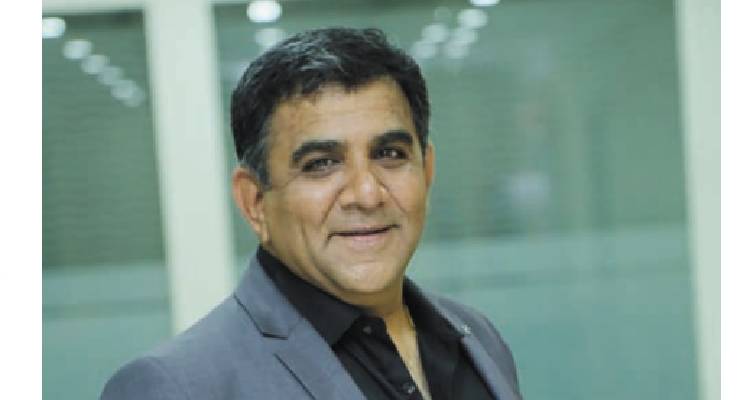

How have pharma companies changed the way they plan and choose real estate after the pandemic? What matters most to them now, speed, scalability or sustainability?
After COVID, pharma companies in India have become far more:
- Risk-averse about supply chain disruption as they want redundancy: multiple sites, alternative vendors, and disaster-resilient locations.
- Volume-flexible – facilities that can ramp up quickly for new molecules, vaccines, or contract manufacturing.
- People-centric – better EHS, air quality, and amenities to attract and retain scientific talent.
Speed, scalability and sustainability all being crucial aspects, the focus is equal on these aspects.
What makes India’s key pharma hubs like Mumbai, Pune, NCR, Hyderabad and Bengaluru, so attractive for pharma companies today? Are you seeing new smaller hubs coming up beyond these big cities?
Across these clusters, a few common factors have been: Dense pharma + life-science ecosystem, talent + academic linkages, regulatory compliances, road/rail/airport connectivity and export infra.
As the rentals/property prices, base salaries and other administrative expenses are hitting upper circuit month after month, it is quite normal to pick and choose new areas with basic infrastructure ticking all boxes and the same gets developed in a HUB. These strategies need to have governmental support and based on that pockets such as Baddi/Solan/Nalagarh (HP), Una, Bharuch/Jambusar/ Dahej (Gujarat), Vizag/AMTZ (Andhra Pradesh), Sikkim, Daman, Goa, Indore, Ahmedabad-Vadodara belt.
Pharma is a highly regulated sector. How are developers making sure their facilities meet compliance and audit standards? And how important is regulatory clarity when picking a site?
Good pharma-focused developers are now codesigning with GMP/WHO/USFDA consultants from day zero, focussing on proper zoning of clean/grey/black areas, material and personnel flows to avoid cross-contamination and HVAC that can be validated, pressure cascades, and filtration. This apart, building higher-spec ‘base buildings’ with Higher floorto-floor heights, heavier floor loads, robust utilities corridor, pre-planned shafts for process piping and HVAC and keeping/providing shell ready for cleanrooms, labs, or pilot plants.
Pharma sector being highly regularised, the focus is on standardising documentation viz built drawings, MEP schematics, EHS certifications etc which are all very useful during audits.
Regulatory clarity when picking a site is very important.
- Zoning must clearly allow pharma/chemical/lifesciences use with acceptable norms on effluent, hazardous storage, and emissions. (Red/Orange Category)
- State-FDA, Pollution Control Board (PCB), Drug Controller offices and labs nearby reduce friction and inspection delays.
- Where bulk drug parks or pharma parks exist, common ETPs, CETPs, incineration, and waste handling infrastructure are already approved and monitored is a big plus for clients.
With sustainability and ESG becoming board-level goals, how is this changing pharma’s real estate choices? Are companies ready to invest more in green-certified facilities?
Post pandemic, keeping in line with sustainability and ESG becoming board-level goals, the leading Indian pharma companies now publish specific ESG targets for emissions, water, and waste keeping board fully aware of pre requisites and ultimate goals. Global Big Pharma operating in India must align with global net-zero or carbon-reduction commitments, which directly affects real-estate specs. Hence the preference has largely shifted and concentrated upon green certified buildings (IGBC, LEED) or at least “greenready” shells with stronger emphasis given on renewable energy access (rooftop solar, open access RE), water efficiency and recycling (STPs, ETPs, rainwater harvesting) and Low-VOC materials and better indoor environmental quality.
Are they ready to pay more?
Large MNCs and top-tier Indian pharma: Yes, within reason. Typically willing to pay a premium if there is a clear OPEX saving (lower energy/water bill), and the building helps with global ESG scores and investor perception. However, mid-tier and smaller players being more price sensitive are reluctant to pay more though they seek all utilities and basic certifications, but not if it pushes rents above market.
When evaluating a site, what should pharma companies look at beyond just location and rent? How can they understand the real cost of running a facility, including power, infrastructure, and maintenance?
The major factors while evaluating site, pharma companies are definitely compelled to look beyond just location and rent as there are many factors such as power quality and reliability including grid stability, backup facilities, power sector norms etc. play a very important role. Utilities and infrastructure such as water (quantity and quality), ETP and CETP connectivity, waste disposal tie ups etc are given equal or more importance from the long term perspective. Arresting overhead expenses for running/operating facility is the mantra, no company can ever ignore. Overheads, if uncontrolled or not monitored can really cause significant losses especially while looking after housing for workers, commute options, social infrastructure for employee families such as schools, hospitals, markets etc.
Certain hidden opex such as maintaining HVAC, cleanroom systems, annual testing/caliberation, filter replacements, statutory compliances, tech compliances, real time pollution tracking etc being critical, are looked into with extreme care and vigilance ensuring no down time affects the production or processes.
How is technology like IoT monitoring, automation, and smart compliance tools changing the way modern pharma facilities are designed and operated?
In this era of modernisation, the pharma facilities increasingly look into and prioritise : IoT-based environmental monitoring
- Real-time tracking of temperature, humidity, differential pressure, particulate count in cleanrooms.
- Auto-alerts when parameters drift, creating a continuous audit trail.
BMS/IBMS integration
- HVAC, access control, fire, lighting, DG, and utilities managed through a central Building Management System; easier to demonstrate control to regulators.
Smart compliance tools
- Digital logbooks, e-BMR/eBPR (electronic batch and production records), validation data directly linked to equipment sensors.
Impact on real estate design
- Need for robust IT backbone – fibre, data rooms, redundancy.
- Space for control rooms, racks, and sensor networks.
- Greater coordination between MEP designers, IT, and process engineers from concept stage.
How are government policies and incentives influencing the growth of pharma infrastructure across India?
Various state governments have been proactive in getting production facilities in their respective states for the obvious reason of regional growth and certain schemes floated by the state governments has provided big boom to pharma sector, especially after 2021.
- Production Linked Incentive (PLI) schemes for APIs, KSMs, and key drugs – incentivise domestic manufacturing and encourage new greenfield capacity.
- Bulk Drug Parks scheme – central grants for common infra (CETP, utilities, testing, etc.) in three big parks (AP, Gujarat, HP). These parks are now in advanced development stages and attracting significant private investment.
- State-level industrial policies – concessional land, stamp duty rebates, power subsidies, fast-track approvals for pharma/biotech in Telangana, Gujarat, HP, AP, Maharashtra, etc.
- Environmental regulations and ESG push – stricter norms from MoEFCC, CPCB, and state PCBs are indirectly pushing companies into well-managed pharma parks rather than isolated standalone plants.
Finally, what do you think the ‘ideal pharma facility’ of the future will look like? And how can real estate partners help make that vision a reality?
Pharma companies have huge space requirements and real estate partners with bulk land availability goes hand in hand. To be future ready, now the need is campus-style, multitenant, tech-enabled lifesciences park with modular, flexible blocks, high-spec utilities zero-liquid discharge or near-ZLD, digital integration, employee-centric, clustered with ecosystem partners government and ecosystem connector. The big real estate players can tie up with the state governments to acquire big land parcels close to growing hubs of major cities (umbrella areas) and start designing big size campuses while the government speeds up infra work including but not limiting to roads, water, electricity, drainage systems etc., prioritising strategic locations for future ready growth patterns.