

Regenerative aesthetics: The new frontier of skin and hair health
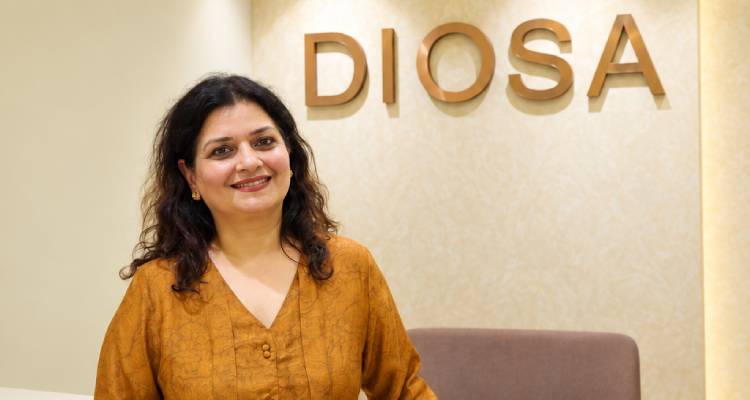
Dr Madhu Goyal , Founder & Director DIOSA Healthcare, discusses how regenerative aesthetics is shifting the focus in skin and hair care from surface correction to improving tissue health, personalised treatment and more natural-looking outcomes


Aesthetic treatments were generally used for correction purposes until recently. The usual practice was to smooth out wrinkles, lessen pigmentation, resurface scars, and treat hair loss. All these things have changed as a new approach in this field has developed.
This innovative method moves further than just improving the appearance of skin and hair. It deals with supporting the body’s self-regeneration process. The new approach is called regenerative aesthetics, which combines different fields such as dermatology, the hair restoration industry, modern technology, and regenerative medicine.
The main objective is more than just changing somebody’s looks. The point lies in assisting the skin in becoming healthier, the scalp in functioning better, and the process of hair restoration being as natural as possible.
What is regenerative aesthetics?
Regenerative aesthetics refers to methods that stimulate the body’s own natural systems responsible for healing, forming collagen and carrying out their activity at the cellular level. Unlike conventional aesthetic treatments that deal with outer correction only, regenerative aesthetics focuses more on the body’s biological processes occurring in the skin, hair follicles and the surrounding tissues.
This trend is especially pertinent to individuals suffering from hair loss, the first signs of ageing, acne scars, skin unevenness, pigmentation and loss of skin elasticity.
The principle is pretty simple: healthy-looking skin and hair cannot be only a result of surface preservation; a lot depends on what happens beneath the skin surface. Therefore, not only does the modern cosmetic industry intend to focus on one specific aspect while treating patients, but it is constantly combining various procedures, which allows certain positive outcomes.
From surface correction to skin renewal
Take skin that’s ageing. It may have fine wrinkles on the surface, but what really occurs is a drop in collagen and elastin levels, skin structure modification and lagging regeneration.
Treatments that aim for regeneration are different in focus from the preceding techniques. Microneedling, RF microneedling, skin boosters and particular injectable or energy forms can help with a tailored regeneration programme.
Microneedling, for instance, produces small injuries that cause the skin to heal itself. RF microneedling enhances the procedure by using the energy of radio frequencies to solve the problems of skin firmness due to thermal stimulation.
The aim is not to change the person’s face. Rather, the requirement that is expected from the process is a gentler result: good texture, enhanced firmness and a younger appearance.
Regenerative approaches in hair restoration
In terms of hair loss, regenerative aesthetics is making its way into the limelight. Hair thinning can be caused by several factors. Genetic factors, hormonal changes, lack of nutrition, stress and some medical reasons can all be involved in hair loss. This tells us that treatment should start by addressing the cause of hair loss rather than choosing treatment based on its popularity.
Modern hair restoration has many advanced techniques, including GFC hair therapy, exosome therapy, autologous micrograft treatment, and other procedures that can support hair growth. However, effectiveness will depend on the reason or severity of hair loss.
In the most severe hair loss cases, regenerative types of methods will be examined together with surgical methods of hair restoration. For instance, FUE hair transplant is aimed at transferring healthy follicles to the bald area and creating a natural hairline. The trend nowadays is that combinations of therapies are used. That is, a person may use an approach for the scalp and another approach for the hairline, and later on, the strategy may be altered over time.
There is no one-size-fits-all remedy for aged skin or hair thinning. Two people who visit the same clinic may have similar problems but will require two completely different treatment plans. While one patient may suffer from pigmentation and texture issues, the other may need help with collagen loss. Likewise, while one hair thinning case could be attributed to hereditary reasons, another one may be due to a temporary shedding cycle or a disease. This is why it is so important to have a consultation. An aesthetic-regenerative treatment plan must take into consideration one’s age, skin type, medical history, and lifestyle, as well as the condition to be treated and the person’s expectations. That is why it is the problem that should determine the treatment options rather than the other way around. This is how aesthetic medicine remains a part of healthcare.
Combining technology with medical expertise
Regenerative aesthetics does not refer to a single revolutionary treatment. Rather, it refers to the practice of combining different practices and technologies smartly. For skin treatments, different methods might include peels, laser procedures, RF microneedling, skin boosters, resurfacing treatments, and other rejuvenation therapies. For hair treatments, regenerative options might include non-surgical methods of hair growth and hair transplant techniques. The actual needs of the skin or hair will determine which treatments will be applied. This is why modern aesthetic clinics employ a wider range of practitioners. Dermatologists, aesthetic physicians, plastic surgeons and other specialists are involved in the treatment process if the problem requires both medical and cosmetic approaches.
Natural results are becoming the new definition of beauty
The ongoing shift in aesthetics brings about the idea of simplicity in beauty techniques. More and more people prefer looking natural and not twisted or artificially done. For those who face problems of hair loss, they expect their hairline to suit their face and not make them look transplanted.
The practice of regenerative aesthetics totally embodies the above-mentioned trends. It suggests that instead of just altering tissue structures, work on improving tissue quality is undertaken.
In sum, aesthetics goes from the question “What can we change?” to the question “How can we help skin and hair to look and function better?”
The future of skin and hair care
Regenerative aesthetics is still an evolving field. Not every treatment marketed as regenerative has the same level of scientific evidence, and outcomes can differ considerably between individuals. Claims surrounding newer therapies should therefore be considered carefully, with attention to clinical evidence, regulatory status, practitioner qualifications and realistic expectations.
For patients, this means asking questions matters. What exactly is being used? What evidence supports the treatment? Is it appropriate for the specific condition? How many sessions may be required? What are the risks and alternatives?
The future of aesthetics is unlikely to be about choosing between beauty and medicine. It is increasingly about bringing the two together.
Skin health, hair health and appearance are deeply connected. As regenerative approaches continue to develop, aesthetic care is moving toward a more personalised model, where prevention, restoration and appearance can be considered as parts of the same conversation.
The new frontier is therefore not simply about looking younger or growing more hair. It is about healthier-looking skin, stronger approaches to hair restoration and results that respect the person underneath.
That may ultimately be the most meaningful promise of regenerative aesthetics: not changing who you are, but helping your skin and hair look closer to their healthiest potential.
