

Dermatology meets aesthetics: Why the boundary between skin health and cosmetic care is changing
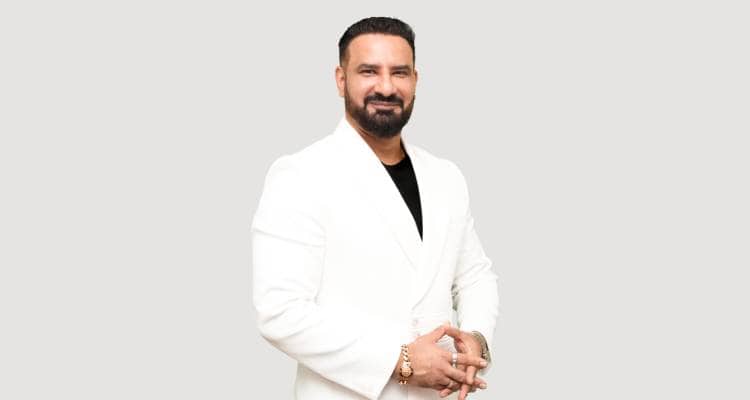
Dr Ajay Rana, Founder and Director, ILAMED and President of the Indian Society of Aesthetic Medicine (ISAM), talks about the growing convergence of dermatology and aesthetic medicine, the role of clinical expertise and technology in treatment outcomes, and the need for personalised, ethical approaches to skin care


The relationship between dermatology and aesthetic medicine is one of the most compelling issues in recent years. Dermatology has always concerned itself with the diagnosis and treatment of skin diseases, and aesthetic medicine has focused on the aspects of beauty. Now, these two areas are joining together in an attempt to consider the skin health and beauty in a holistic manner. This convergence is significant, as it reflects a broader effort to provide more comprehensive care for skin health and appearance.
The issue of beauty is not black and white
Dermatology deals with the diagnosis and treatment of the skin conditions such as, acne, psoriasis, eczema, hair loss. Aesthetic medicine usually focuses on wrinkles, scars, uneven skin tone and other issues. At the same time, these problems often occur together, example a person might have acne scars that require a special treatment. There are also skin conditions that manifest themselves in the changes in skin tone, like melasma. If they are not diagnosed and treated, any cosmetic procedures may yield unsatisfactory results. A correct dermatological diagnosis is crucial for successful aesthetic treatment. The ultimate goal is to achieve beautiful skin while promoting and maintaining its health.
From vanity to wellness: The new aesthetic ideals
The new wave of aesthetic medicine is about improving the skin quality and promoting collagen production for a younger-looking skin. The main concerns are the same as in dermatology – acne, scars, wrinkles, uneven tone, melasma, stretch marks and others. Depending on the case, a healthcare professional may suggest a mild course of treatments with chemical exfoliation or more invasive laser-resurfacing procedures.
It is important to note that any intervention has its own risks and benefits, and there is no universally valid approach that would suit everyone’s expectations and budget. A person’s age, skin type, the course of treatment and even the physician’s experience may affect the outcome. It is also crucial to manage patients’ expectations, as a realistic approach is more likely to lead to satisfaction with the results.
Aesthetic medicine should supplement dermatological and cosmetic skin care, rather than replace it.
Advanced technologies are still limited by physicians’ expertise
Modern laser and other technologies allow physicians to resolve many aesthetic concerns through minimally invasive procedures.. The latest minimally invasive procedures effectively remove scars, spots and wrinkles, tighten the skin, remove unwanted body hair and pores, and get rid of spider veins. However, any technology is only as good as the physician operating it. Correct diagnosis, years of experience, thorough preparation and the ability to choose the right intervention are crucial for achieving satisfying results.
In my professional opinion, the physician should take the patient’s skin type into consideration when planning aesthetic interventions, particularly when lasers are involved. People with dark skin tones are more likely to have post-intervention complications, like post-inflammatory hyperpigmentation. A wrong approach or inadequate preparation of the skin before a procedure may aggravate this condition. A physician needs to understand that the success of an intervention depends on their skills and the patient’s skin type and prepare accordingly.
Modern aesthetic medicine: Towards personalised treatments
The goal of modern aesthetic medicine is to provide each patient with individual care. The physician should thoroughly assess the patient’s skin, take their concerns and budget into account and choose the interventions that would yield the most satisfying results. An individual approach also means that the patient is well-informed about the planned interventions and has realistic expectations.
Clinical experience has shown that the best treatment is one that addresses what a patient actually needs, rather than simply what they may want. Physicians should offer the interventions that have proven benefits and be ready to explain the risks and the expected outcome. The personalisation of treatment is a hallmark of the contemporary approaches to aesthetic medicine.
Ethics are the new beauty standards
As the popularity of aesthetic medicine grows, so do the demand for its services and the variety of providers. Patients often turn to social media to research their options, but not all information found there is reliable. Moreover, many beauty gurus exaggerate the benefits of various procedures while downplaying the risks. However, an ethical physician should educate the patient and help them to make an informed choice. In my view, an aesthetic physician should always put the patient first and recommend the interventions that are indicated and would yield satisfying results.
To conclude, the convergence of dermatology and aesthetic medicine allows for a more comprehensive approach to skin care. The future of aesthetic medicine lies in new technologies and minimally invasive procedures. At the same time, physicians should always follow ethical guidelines and prescribe individual treatment to each patient.
Dermatology and aesthetic medicine should unite their efforts to promote the health and beauty of the skin. Dermatologists will continue to be at the forefront of combating skin disease, and their collaboration with aesthetic physicians will enhance the results of non-surgical interventions. The ultimate aim of aesthetic medicine should be the improvement of the skin quality; as beautiful skin is healthy skin.
