

Panel Discussion: Powering the smart supply chain

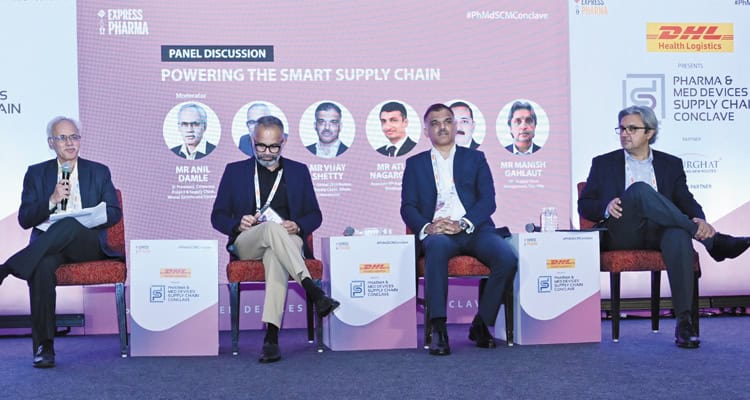

Digital transformation is reshaping the pharma and medical devices landscape. As supply chains evolve, embracing digitalisation is no longer optional—it is essential. From real-time tracking to predictive analytics, technology is becoming the foundation of efficient, agile, and responsive supply networks. Reflecting this shift, the second panel discussion at the Pharma & Med Devices Supply Chain Summit 2025 focused on the critical role of technology and collaboration in building smarter supply chains.
Titled ‘Powering the Smart Supply Chain,’ the session examined both the opportunities and challenges posed by digital integration. It addressed issues of regulatory alignment and the adoption of emerging tools such as blockchain and drones, offering a comprehensive view of the sector’s readiness for intelligent supply chain transformation. The discussion brought together senior industry stakeholders to explore what defines a smart supply chain, why digitisation is crucial, where current gaps exist, who must lead change, and how evolving technologies and policies are shaping the way forward.
The session was moderated by Anil Damle, Senior President, Corporate Project & Supply Chain at Bharat Serums and Vaccines. The panel featured insights from Bijoy Peter Alappattu, GM – Technical Services, GS1 India; Vijay Shetty, Senior VP – Global Distribution and Supply Chain, Alkem Laboratories; and Manish Gahlaut, VP – Supply Chain Management, Tata 1Mg.
Building on this foundation, the discussion emphasised that true supply chain integrity depends on coordinated efforts among manufacturers, distributors, pharmacies, and regulatory authorities. Without collective participation, traceability and compliance initiatives risk becoming fragmented and ineffective.
The panel further underscored the need for stronger regulatory frameworks and standardised practices to ensure drug safety and data transparency. While technologies such as blockchain offer significant promise in securing supply chains, their adoption remains constrained by cost factors and trust deficits—particularly in environments where transparency is most needed.
Looking ahead, the panel also considered the role of emerging technologies like drones. Though still in early stages of deployment, drones are being tested for transporting lab samples and supporting warehouse operations. Their wider adoption is expected as regulatory clarity improves and costs decline.
Throughout the session, a recurring theme was the industry’s need to strike a fine balance between innovation and accessibility. In price-sensitive markets like India, technology must serve not just operational efficiency, but also economic viability.
The panel concluded that creative approaches are required to manage costs, enhance operational efficiency, and deliver value—without compromising on the safety or affordability of essential medicines.