

FDA mandates rare vision-loss warning across all GLP-1 drugs
The labelling change follows a review indicating a potential increased risk of NAION, a rare eye condition that can cause permanent vision loss

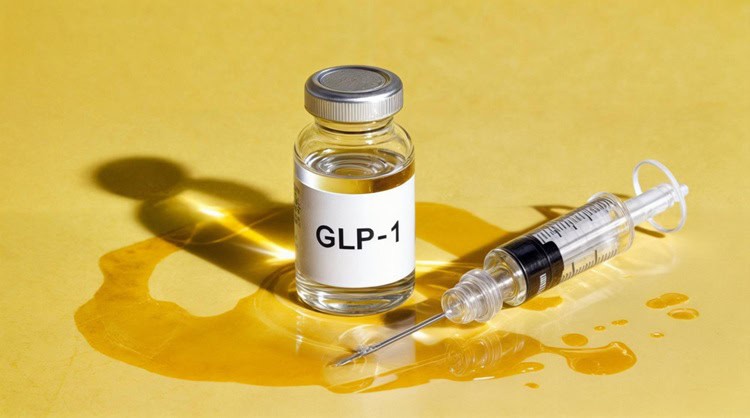

The US Food and Drug Administration (FDA) has directed manufacturers of all approved glucagon-like peptide-1 (GLP-1) receptor agonists to add a warning about the potential risk of non-arteritic anterior ischemic optic neuropathy (NAION), a rare condition that can cause sudden vision loss.
The directive, issued on November 9, 2026, requires the warning to be included in the Warnings and Precautions section of product labels. It covers medicines including Ozempic, Wegovy, Rybelsus, Mounjaro, Zepbound, Victoza, Saxenda, Trulicity, Xultophy, Soliqua and Foundayo.
The FDA reviewed data from 126 clinical trials involving 134,253 patients. The analysis identified 15 probable NAION cases: 10 among GLP-1 users and five among comparator groups. The incidence was 6.4 cases per 100,000 person-years among GLP-1 users, compared with 3.8 among comparator groups.
A separate FDA real-world study found a higher risk among GLP-1 users compared with patients taking DPP-4 inhibitors (hazard ratio 1.43). However, the increase was not statistically significant when compared with SGLT-2 inhibitors.
Based on its assessment of clinical trials, real-world evidence and published studies, the FDA concluded that there is a potential increased risk of NAION associated with GLP-1 medicines. However, it has not established a causal relationship.
NAION occurs when blood flow to the front part of the optic nerve is reduced. Symptoms include sudden, painless vision loss in one eye, blind spots, tunnel vision and blurred central vision. The condition can cause permanent damage.
The FDA has advised patients experiencing sudden vision changes to contact their healthcare professional immediately. Clinicians should promptly refer suspected cases to an ophthalmologist and consider discontinuing GLP-1 treatment in patients diagnosed with NAION, unless the benefits outweigh the risks.
The agency has clarified that the risk remains rare and has not advised patients to stop their medication as a precaution. Patients should discuss any treatment-related concerns with their healthcare professionals.