

Key challenges in regulating pharma marketing in India
Dr Suresh R. Saravdekar highlights the need for statutory regulation, mandatory disclosure and stronger oversight of pharmaceutical marketing in India



India is widely recognised as the “Pharmacy of the World” for its large-scale production of affordable medicines. However, the country’s pharmaceutical marketing regulatory framework has not kept pace with international standards. While medicine quality and patient welfare should remain the primary objectives of healthcare, unethical marketing practices continue to influence prescribing behaviour, raising concerns about transparency, accountability, and rational use of medicines.
The current Uniform Code for Pharmaceutical Marketing Practices (UCPMP) is largely voluntary and lacks statutory backing. As a result, compliance depends mainly on industry self-regulation, with limited legal consequences for violations. In contrast, developed countries such as the United States, France, and the United Kingdom have legally enforceable systems that require public disclosure of financial relationships between pharmaceutical companies and healthcare professionals.
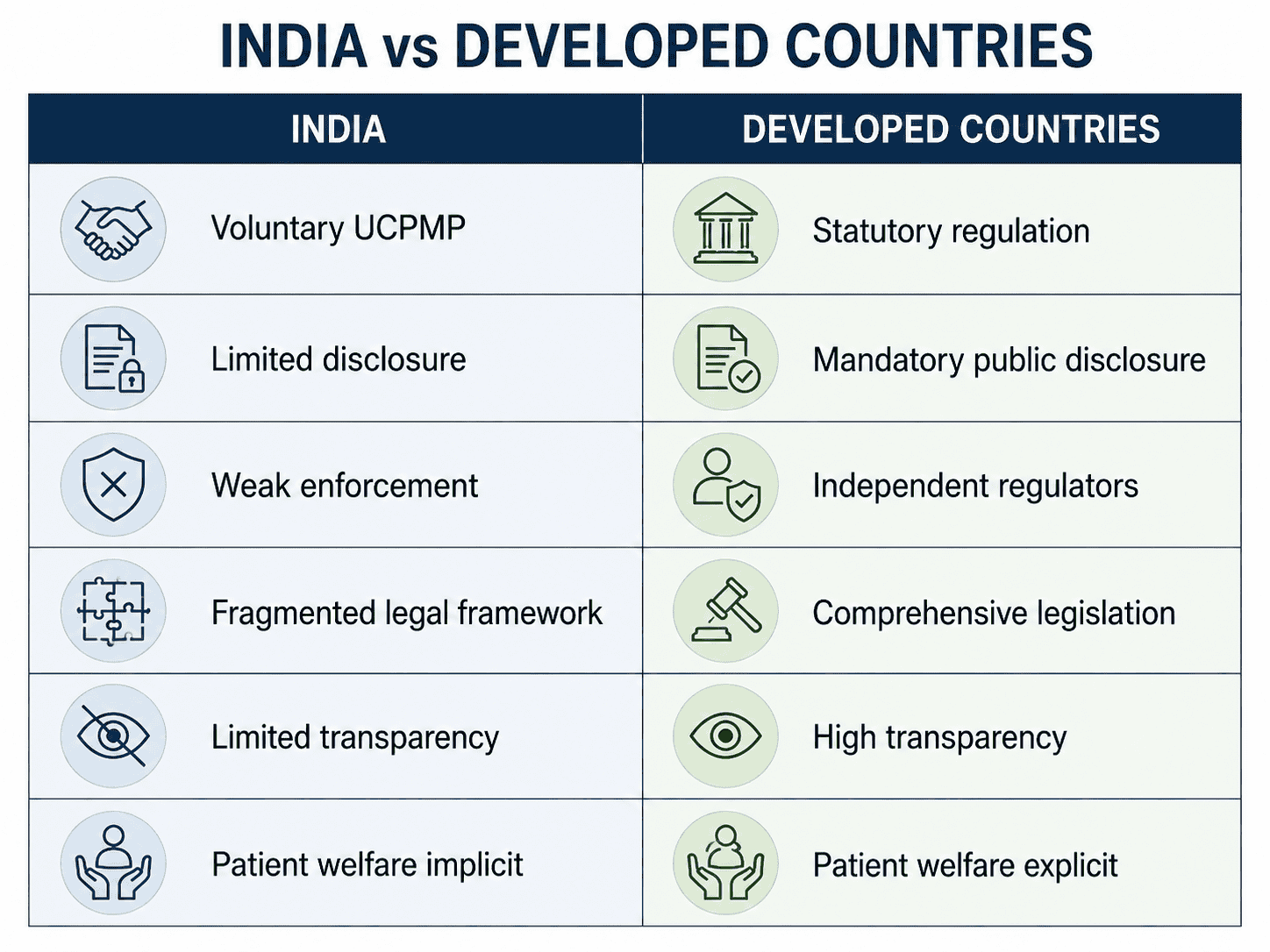
The absence of mandatory disclosure in India makes it difficult for patients to know whether prescribing decisions are influenced by gifts, sponsorships, or other financial incentives. Weak grievance redressal mechanisms, fragmented legal provisions, and limited regulatory oversight further reduce public confidence in the existing system.
These challenges become even more significant in rural and underserved areas, where shortages of qualified healthcare professionals and limited access to reliable medical information increase the risk of irrational prescribing and unethical promotional practices. Effective regulation should therefore not only address industry conduct but also strengthen patient protection and promote evidence-based healthcare.
Why reform is necessary?
India can substantially improve its regulatory framework through five key reforms:
- Provide statutory backing to the UCPMP by amending the Drugs and Cosmetics Act.
- Mandate public disclosure of all transfers of value from pharmaceutical companies to healthcare professionals.
- Establish an independent regulatory authority with adequate investigative and enforcement powers.
- Strengthen grievance redressal through a transparent national reporting system.
- Make patient welfare, rational prescribing, and medicine quality the central objectives of pharmaceutical marketing regulation.
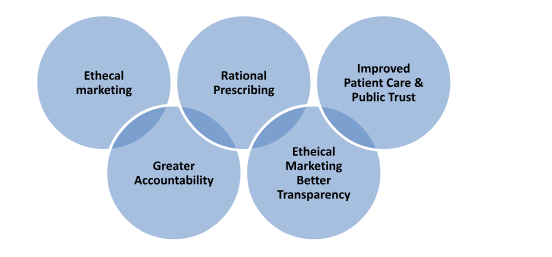
These reforms would improve transparency, reduce conflicts of interest, encourage ethical marketing practices, and enhance public trust in the healthcare system. They would also align India more closely with internationally accepted standards while supporting the country’s commitment to Universal Health Coverage.
As India continues to expand its leadership in global pharmaceutical manufacturing, it must also demonstrate leadership in ethical pharmaceutical governance. A robust and transparent regulatory framework will not only safeguard patients but also strengthen the credibility and long-term sustainability of India’s pharmaceutical industry.
Ultimately, the success of pharmaceutical marketing regulation should be measured not by the volume of medicines sold, but by its contribution to patient safety, rational prescribing, and the overall quality of healthcare.
